How to Host a Slow Tea Afternoon Without Overplanning

A slow tea afternoon is not a cocktail party with tea instead of wine. It is a few unhurried hours in which nothing has to be impressive and nobody has to leave at a set time. The host's job is modest: good water, a few leaves, something to eat, and a chair comfortable enough that people stop checking their phones.
Which is exactly why it falls apart when we overplan it. Three courses, a themed tablecloth, a schedule of activities — all of that turns a pleasant afternoon into a production. What follows is a way to host that keeps the planning small so the gathering can be large in the ways that matter.
Choose Three Teas and Stop There
Three is enough for a table of six, and it gives people a real choice without turning the kitchen into a tasting bar. Aim for range rather than rarity:
- One familiar tea. An Assam, a Ceylon, or a straightforward English breakfast. This is the one your least adventurous guest will pour without asking questions.
- One that's a little different. A roasted oolong, a floral Darjeeling, a smoky lapsang if you know your crowd. Offer it with a sentence of description and no pressure.
- One caffeine-free. Peppermint, rooibos, lemon verbena, or chamomile. Useful in the late afternoon, and necessary if someone at the table avoids caffeine.
Keep the brewing simple. Heat water just off the boil for black and herbal teas; let it cool a few minutes for green, white, and most oolongs, which turn bitter fast at high heat. Use roughly a teaspoon of loose leaf per cup, or follow the packet. Steep two to four minutes, taste, and pull the leaves. If a pot goes harsh, keep a small pitcher of hot water nearby and thin the next cup rather than starting over.
A note on the pot
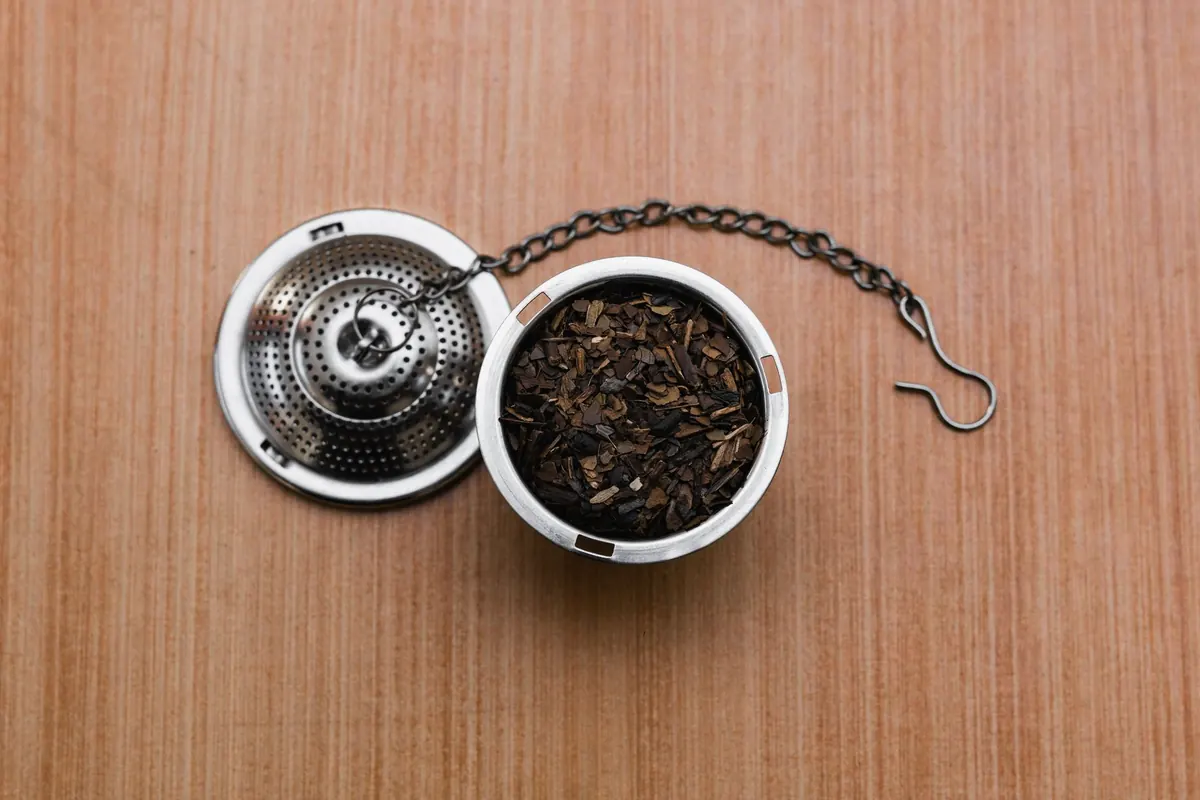
Warm it first with a splash of hot water and swirl. It takes ten seconds and keeps the second cup as hot as the first. If you own only one teapot, brew the black tea in it and use a small French press or a basket infuser for the other two.
Keep the Menu to One Plate
The best tea food is food that can sit out for two hours without sulking. Nothing should require you to be in the kitchen when the doorbell rings. Pick one item from each of these groups and you have a table:
- Something bread-like: scones split and rewarmed, or good bread with salted butter and jam.
- Something savory: cucumber or radish sandwiches made an hour ahead and covered with a damp cloth, or small cheese toasts assembled and baked just before people arrive.
- Something sweet: shortbread, a plain loaf cake, or good chocolate broken into pieces.
- Something fresh: a bowl of berries, sliced oranges, or a handful of mint in a glass of water.
Nuts, olives, and a dish of flaky salt are not cheating. Neither is a bakery. The point is a table that looks cared for, not a table that looks worked over.
A Timeline You Can Actually Follow
- Two days before: choose your three teas, check you have enough of each, and ask whether anyone avoids caffeine or dairy. That one question prevents most of the awkwardness.
- The day before: shop for the food, or decide firmly that you are buying it. Wash the cups you plan to use and set them on a tray so there is no cupboard rummaging later.
- The morning of: bake or unwrap. Set the table with what you own. If the linens don't match, use the plain ones.
- One hour before: fill the kettle, arrange the food, and put on the music you actually like at low volume. Then sit down with a cup of your own.
- Fifteen minutes before: put the kettle back on. Being already seated and unhurried when the first guest arrives changes the temperature of the whole afternoon.
Set the Room So It Can Breathe
Choose the table with the most elbow room rather than the prettiest one, and leave the end seats empty so nobody is boxed in. Natural light is best; if it is evening, two candles and a lamp beat an overhead fixture every time. Keep the teapot and a spare kettle of hot water on a side table within reach, so you are not walking to the kitchen every ten minutes and missing the good part of the conversation.
Phones are worth handling lightly. A small basket on the sideboard with a note that says "leave one if you like" works better than a rule. People usually take the hint, and the ones who don't have a reason to.
Prompts That Leave Room for Silence
You do not need icebreakers. You need two or three questions in your back pocket for the moment when the table goes quiet and someone starts stacking plates out of nervousness. Good ones are specific enough to answer and open enough to wander:
- What have you been making lately — food, a project, anything?
- What's the smallest thing that improved your week?
- What are you reading or watching that you'd actually recommend?
- Where did you drink your first proper cup of tea?
- What are you looking forward to in the next month?
Ask one, then let it land. Silence after a question is not a failure; it's usually someone deciding whether to say the true thing or the easy thing.
When a topic runs out, pour more tea. Refilling cups is a form of conversation, and it gives everyone thirty seconds to breathe. Small cups, topped often, keep the table lively without anyone getting restless or over-caffeinated.
The Ten-Minute Reset
When the last guest leaves, do not clean the whole kitchen. Rinse the teapot and set the leaves aside to dry or compost, stack the dishes in the sink, and put the food away. Ten minutes, and then stop. The rest can wait until morning.
The afternoon doesn't need to have been perfect. It needs to have been unhurried, and that is a decision you make about six times over the course of the day — when you choose the third tea instead of the sixth, when you buy the cake instead of baking it, when you sit down fifteen minutes early with your own cup. Do those small things and the slow part takes care of itself.
Photo: IamNotPerfect / Pixabay